The UK's used electric vehicle (EV) market is on a rollercoaster. After years of strong residuals, 2023 and 2024 saw significant price corrections. For buyers, sellers, and industry watchers, the key question is: what can we expect for used EV prices in 2026?
Based on current trends, expert analysis, and broader market forces, the outlook for 2026 points towards a more stabilised but fiercely competitive market, with a dramatic widening in price and demand based on vehicle capability.
The Core Factors Shaping 2026 Prices
The Massive Influx of Ex-Lease and Ex-Fleet Cars: The biggest determinant of 2026's market is the volume of EVs entering the used sector. Company car tax benefits (BIK rates) triggered a huge adoption of EVs from 2020-2022. These typically 3-4 year-old cars will hit the market in 2024-2026, significantly increasing supply. This surplus will continue to exert downward pressure on prices, particularly for mainstream models.
The "Great Technology Divide": Not all EVs will depreciate equally. Early-generation models with sub-150 mile real-world ranges, slower charging speeds (e.g., 50kW DC), and older battery chemistry will see accelerated depreciation. They will become a true "second car" segment, appealing only at very low price points. Conversely, EVs from circa 2021 onwards with 200+ mile ranges and 100kW+ charging will hold value much more robustly as they remain viable for longer journeys.
Battery Health as the New Currency: By 2026, a verified battery State of Health (SOH) report will be as critical as a service history. Dealers and platforms that can transparently certify battery condition will command premiums. Models known for robust battery management systems (e.g., Hyundai/Kia, Tesla, newer BMWs) will benefit.
Infrastructure and Policy Tides: The pace of public charging rollout, especially fast and ultra-fast hubs, will influence demand. Any government incentives targeting the used EV sector (e.g., a used EV grant, which has been debated) could provide a significant price floor. The 2035 ban on new petrol/diesel sales will continue to push long-term demand.
Running Cost Economics: The fundamental value proposition of EVs—lower fuel and tax costs—remains. As more drivers experience this firsthand, confidence in used EVs will grow, supporting demand.
Price Expectations: A Tale of Two Markets
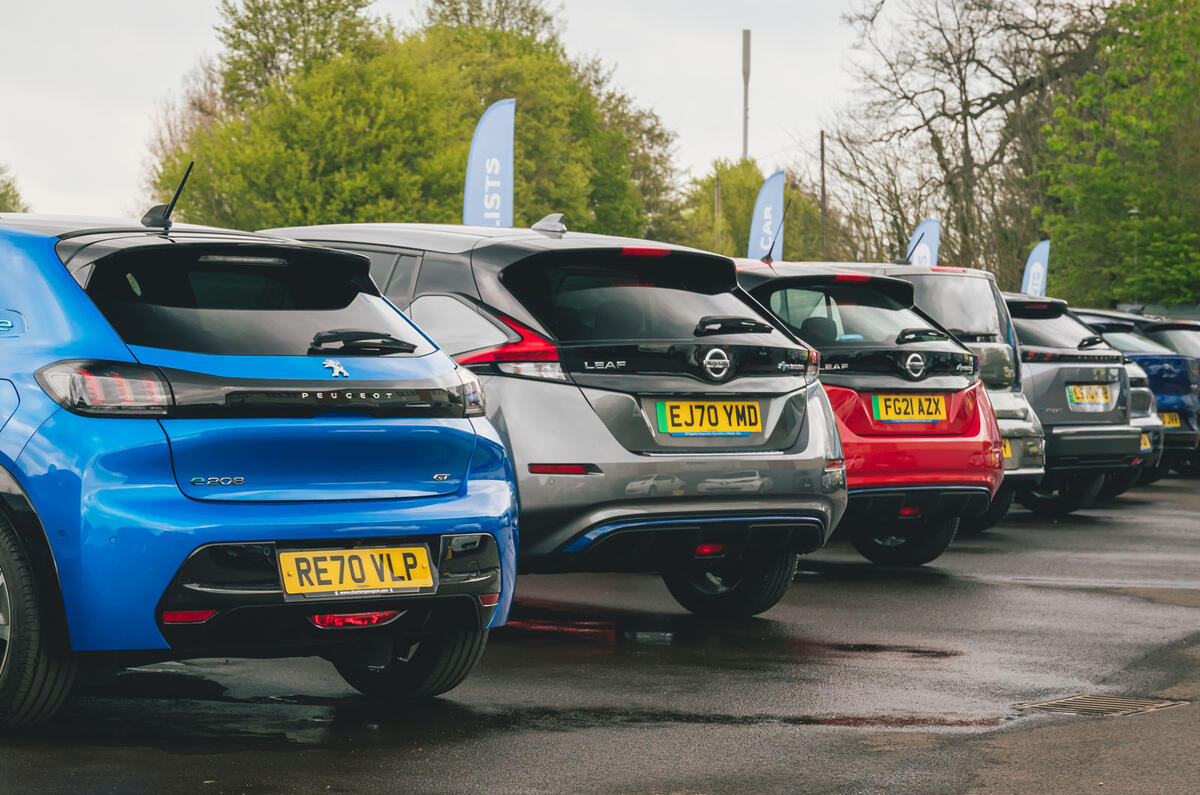
The Affordable Segment (<£15,000): This will be flooded with early Nissan Leafs, Renault Zoes, MG ZS EVs, and smaller-battery Hyundai Konas. Prices will have bottomed out, making them incredibly cheap to purchase but with clear limitations. They will be popular for city driving and as first EV experiments.
The Competitive Mainstream (£15,000 - £30,000): This will be the most dynamic and crowded sector, featuring the bulk of ex-company cars: Tesla Model 3 (standard range), Volkswagen ID.3, Ford Mustang Mach-E, Kia e-Niro, and Skoda Enyaq. Expect intense competition and further price softening of 5-15% from 2024 levels as supply peaks. Well-specced, longer-range versions will hold up best.
The Premium Resilient Sector (£30,000+): Later-model Teslas (particularly Long Range variants), Audi e-trons (Q8 e-tron), BMW i4s, and Porsche Taycans will see more modest depreciation. Their technology remains relevant, and brand prestige provides a buffer. High-quality, low-mileage examples will be in steady demand.
Key Trends to Watch
Transaction Transparency: Online valuation tools will integrate battery health metrics. Dealers will shift from fearing battery issues to marketing certified, warrantied packs as a key selling point.
The ICE Price Link: As used EV prices fall, they will place downward pressure on efficient used petrol and hybrid cars, narrowing the upfront cost gap that has been a major barrier.
Finance Revolution: The used EV market will be driven by attractive monthly payment plans, mitigating the sticker shock of battery replacement concerns for consumers.
Conclusion: A Maturing Market of Opportunity
By 2026, the UK used EV market will have moved past its initial volatility phase. It will be a buyer's market with unprecedented choice.
For Sellers (especially of mainstream, 3-5 year-old EVs): Manage expectations. The high residuals of 2022 are gone. Competitive pricing and transparency on battery health will be essential for a quick sale.
For Buyers: It will be a prime time to acquire a capable EV at a compelling price. The mantra will be "range and rate over age." Prioritise vehicles with sufficient real-world range and faster charging capability for your needs, even if they are a year older. Do not buy without a battery health check.
Overall, 2026 will represent a critical milestone: the point where a mass-market, three-year-old EV becomes a genuinely affordable and practical proposition for the average UK driver, finally accelerating the electric transition on the second-hand car lot. The era of the cheap, short-range city EV and the competitive, capable family EV will truly have arrived.
Written by Zoom EV Team
07/04/26